
Caregiver Burnout
Need help? (888) 595-9101
Need help? (888) 595-9101
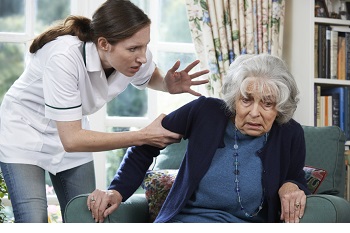
Caregiver burnout is a state where a caretaker – an individual who is looking after one or several people, experiences exhaustion all-around: physically, mentally and emotionally. Often, this type of fatigue can transform a once kind, confident, attentive, considerate and loving caregiver into someone who is negative and does not show any concern for the person they are caring for. There are various situations where someone has to care for someone else. This can be a son or daughter caring for one or both aging parents, a brother or sister caring for their aging sibling, a niece or nephew caring for their aunt or uncle, as well as many other situations where one must care for someone else.
The overtiredness typically occurs when the caregiver tries to do more than what they are capable of, or does whatever they are capable of for a very prolonged period of time. It can also happen when caregivers do not get the help they need for certain aspects of caregiving which are hard for them to take care of.
Individuals who go through this gloomy experience usually experience various symptoms that include depression, anxiety and stress. Many caregivers also end up feeling guilty when spending time on themselves instead of the people they are supposed to be looking after. There are many things that one can do to alleviate burnout associated with caregiving. One of the options is taking advantage of respite care – which where the person you care for goes into a facility such as assisted living facility or nursing home, only for a short period of time – enough for you to recover. This can be a week, two weeks or several months. Another option is to hire one or several home health care aides who will handle some or all parts of caregiving. Many older adults will qualify for Medicaid to help pay for home health care costs. Moreover, if caring for your loved one at home is simply no longer feasible, and 24/7 skilled nursing care isn’t necessary, you may want to look for assisted living places near you that can give your loved one the care they need. If the person in your care needs a nurse near them all day and night, it’s best to locate a nursing home nearby where they can receive skilled nursing care that they need.
Here is a list of 20 warning signs to know whether a person is going through caregiver burnout:
A person experiencing burnout from caregiving duties will most likely lack energy throughout the day. It is a common problem where both the mental and physical state are weak and tired. In such a case, one finds it very challenging to complete the physical tasks they were used to such as doing house chores, or even climbing the stairs because their muscles are too tired.
When it comes to the mental side, it becomes harder to concentrate on things, and a person may always feel like sleeping or have a low level of concentration that is almost the same as that of an intoxicated state. Such fatigue – both physical and mental, can be dangerous and can result in severe health problems.
Many caregivers who are burnt out tend to withdraw themselves from the people they love and care about because they simply do not have the energy for them. It is not uncommon for caregivers to remove themselves and stay alone without talking to anyone about what they are going through.
Sometimes, it is because they feel guilty about the state they are in; thus, they do not want other people to know what is going on. Other times, it may be because their relatives and other people they are close to may be reprimanding them, or telling them that they are doing too much and need to slow down. Most people who are in a difficult caregiving situation do not want to hear those words; thus, they find that it is better to be alone instead of being around people who have the kind of energy that they do not want.
A somewhat visible sign of a caregiver going through burnout is a caregiver who has issues with their sleeping patterns. It could be that they sleep too much which is unlike them, sleep too little (a few hours every night), or hardly sleep at all.
It is quite unfortunate that the cost of not sleeping well is more than just lacking focus, feeling grumpy, and bad moods. It weakens the immune system and puts one at risk of severe medical conditions including diabetes, heart disease, obesity, and in general shortens life expectancy.
When a caregiver is overworked and stressed out, there is a high probability that their immune system weakens rapidly. This is where you will find that an individual is always complaining of non-ending pains all over the body, from the head, stomach, chest and other areas.
One ends up feeling sickly and helpless, which is something that dampens their morale further. When caregiver burnout victims do not address this soon enough, it can escalate to become something worse, affecting their health in a significant way. Slowing down and taking time to just de-stress can most of the times help a person to reset.
Another tell-tale sign of caregivers who go through extreme fatigue is when they are changing their regular eating habits. One can start eating a lot more food than before (most likely due to stress), or start eating junk food or unhealthy foods that can lead to rapid weight gain.
For others, it is the opposite, because they lack appetite and end up eating very little - which can make them lose weight quickly. Some people may even end up eating only once per day, which is quite bad for their body.
Depression is a mood disorder that overtired caregivers’ experience. The disease causes severe symptoms that affect how an individual handles daily activities, thinks, and feels. A high percentage of people experience depression without even knowing it, only for it to be diagnosed when it is a very bad stage.
Some people who go through depression usually have suicidal thoughts because they feel like they are useless or not useful enough, or simply because they are extremely unhappy with their life. Others even end up with mental disorders and other medical illnesses like cancer and Parkinson’s disease. Anyone going through depression due to caregiver burnout must either change something to ease their caregiving duties, or if the depression is really at a bad stage, see a doctor as soon as possible so that the expert can determine the best way forward in terms of treatment.
Burning out habitually feels like a person is losing control over their lives and that whatever they are doing is taking over. They can no longer enjoy giving out the service as they now view it as a demanding chore that takes priority over their own personal lives in a way that they cannot do anything else in peace.
Some caretakers even end up neglecting personal and emotional needs as they have a new “boss” in their lives. It is something that does not make them perform or live as they should, which ends up taking a toll on their lives.
Because it is not possible to fulfil all their “patient’s” demands, many caregivers end up with a deep feeling of hopelessness and helplessness. They feel like because they cannot offer the appropriate solutions, they will never experience happiness again and should not be responsible for the people the caregivers are looking after.
At times, persons feel like they are carrying the weight of the world on their shoulders and their bodies are burning in pain. Voices in their heads seem to take over, stabbing them with negativity and fear as they deal with invisible scars that no other person can see or understand. Many end up crying a lot as a way of relieving the pain or just become numb and stop feeling anything.
Caregiving is a skill that demands a lot of patience, empathy, kindness and other suitable virtues. It is not for everybody. Burnout can make the person looking after the elderly to become something else. It is where they do not listen to the person they care for, and find that everything that the people they are looking after do is quite irritating.
Some caregivers may also start shouting at their patients or even arguing over the slightest things. It makes both caregiver and the person being cared for uncomfortable to a point where they do not even want to spend time with each other, and will only end up being unpleasant.
While everyone gets anxious or nervous from time to time, there are a few cases where it goes overboard. In such cases, it becomes so forceful and frequent that it ends up taking over a caregiver’s life. It can come in various forms like phobias or panic attacks, heart palpitations, irregular heartbeat and more.
People who suffer from anxiety worry too much about everything regardless of whether it is large or small. Others have irrational fears that become way out of proportion, disruptive, and overwhelming. If you are constantly feeling anxiety, this should be a warning sign that you may be experiencing caregiver burnout.
Another example of a warning sign of caregiver burnout is when one cannot even understand themselves because of the mood swings they experience. One second a person may be angry, and the next they are helpless and sad. An individual can be laughing one minute and the other they are in tears.
The despairing mix of varying emotions typically strikes the caregivers at one point or another. It makes them jump on an emotional rollercoaster where becoming angry or overwhelmed can happen at a snap of the finger. The brain can also become foggy, and a person may no longer be excited about the things that once brought them joy and fulfilment in life.
It is easy to spot an individual going through caregiver burnout because they rarely focus on what they are doing 100%. Most of them seem to drift off to a foreign place where they experience a little bit of time out. They can be talking to their patients and not even finish off a sentence before they are off to doing other things.
At times, a person responsible for looking after seniors may also start doing a task that is not necessarily related to caregiving and leave it hanging because their levels of concentration are non-existent. These are individuals who cannot think clearly or maintain focus due to extreme mental fatigue.
In some cases, individuals taking care of the elderly may seem like they are in a world of their own. It is where they want to believe that they can perform “miracles” in the lives of the people they are looking after. For instance, if the senior citizen they are dealing with has dementia, they want to reassure them that they can heal them in some way.
Caregivers in such instances firmly believe that they can deliver every promise they make to the people they are in charge of and will vehemently deny any other possibility. Naturally, since some conditions are simply irreversible – such as Alzheimer’s and other forms of dementia, it can make them feel frustrated and like they are failures.
Even when help is available, caregiver experiencing burnout will at times find it difficult to relax. They want to be all over the place at the same time without having to take a step back and just breathe.
One can even get into habits like tapping on the floor when they are seated or biting their nails because they are uneasy. They do not have time just to reset their bodies because they want to go at whatever they are currently doing without pausing. Such individuals must engage in relaxation techniques if they're going to slow down and beat chronic tension in order to lead “normal” lives.
As a means of trying to cope with the new experiences they have to face in their lives, some caregivers turn to substance abuse. Some individuals will drink a lot of alcohol so that they can feel relaxed and forget what is going on in their lives.
Others may even turn to overmedicating themselves even when they know what they are doing is not right. Caregivers who engage in such behavior need to curb it as soon as possible so that it does not escalate into something that is not manageable.
Some caregivers may want a way out by thinking of or actually trying to take their own lives when they cannot handle it anymore. Some caregivers talk to people about it, saying that they are tired of life, and others will just be plotting silently on how to exit the world.
Noticing something like this means one should be on high-alert and they should go through professional counselling so that they do not end up in a really bad situation. Such people also need a lot of love in their lives to have a complete turnaround of their feelings and to live to their full potential.
An individual going through caregiver burnout may also experience an overhaul of their lifestyle. Doing the things that interest them and bring them immense joy may seem like something in the past.
For instance, if one spent their free time playing golf, they may not want to set foot on the green anyone. Some may not even want to indulge in anything because they just want to sit and wish the situation away.
Another sign of burnout among caregivers is the fact that some may want to hurt the people they are caring for or even themselves. This is brought about by a lot of spite and the fact that they are not in total control of their feelings.
There are cases where a person who is doing the caregiving starts to physically hurt themselves. The ones that want to hurt others may become abusive to their patients, both verbally and emotionally. It is quite dangerous because a person may end up doing something that they regret.
Caregivers may find that they are always in and out of the hospital or on and off medications when experiencing burnout. It is because their body’s defences against diseases and infections are deficient; thus, chances of catching something becomes high.
It becomes common because many caregivers are not looking after themselves, i.e., not eating right or working out as they neglect their needs. Recovery period when a person is sick also becomes longer because their bodies are weakened and not strong enough to beat whatever is attacking them.
In addition to ignoring the people they are supposed to be caring for, another warning sign of caregiver burnout is when one neglects all other responsibilities in their lives. An example is a mother who cares for an older parent and does not seem to have the time for her children anymore because she is too tired or in a zone of her own.
This also applies at home when for example a house that was once clean and neat is disorganized. Some people even go to the extreme of not shopping for groceries and not caring about how they look.
The above signs can be very traumatic if no one attends to them on time. It is therefore essential that anyone who is experiencing caregiver burnout seeks the help they need as soon as possible to go back to a functioning state. Sometimes you simply cannot handle everything on your own. You should always make sure that you are in your best mental and physical state to provide the best care for your loved one.
Thank you. We will be in touch soon to provide you all the information.
Are you also interested in learning about long-term care insurance and how it can cover all senior living costs?
Yes, I'd love to learn more No, I will pay all senior living costs myselfThank you. A licensed insurance broker will call you soon to discuss how long-term care insurance can help you pay for senior living.
Close
