
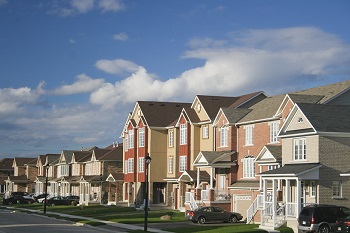
Residential assisted living facilities offer seniors a place where they can spend their post-retirement years in a pleasant and secure environment. Some call them board and care homes, adult family homes, personal care or residential care facilities because they offer personalized services to a small group of older adults.
They are mainly put in place to help senior citizens who are not comfortable or safe living on their own but do not necessarily require nursing care around the clock. Most residential assisted living facilities have a bed capacity that allows them to house less than sixteen aging individuals at a time.
In contrast to larger assisted living facilities, residential ones are smaller, non-medical facilities that specialize in a more personal and more modest setting. They offer different services such as but not limited to:
Unlike nursing homes, residential assisted living homes do not have to employ nurses, doctors, or certified nursing assistants. The primary service that the residences offer has a lot to do with personal care assistance. Staff members here adopt a personalized and hands-on approach that inhabitants enjoy. It is where older adults get a hand with everyday tasks like taking a bath, grooming, hygiene, transferring and eating.
Most of these residential care homes only house retirees who are above the age of 60. Note that level of focus and care typically varies with the needs of the residents. They do not offer blanket services because they mostly cater to the specific needs of an elderly individual. Nowadays, a majority of the residential assisted living facilities also admit and look after seniors who have Parkinson’s disease, dementia, Alzheimer’s disease as well as the ones who require considerable assistance with mobility because of disabilities or physical limitations.
Because the residential assisted living homes are not institutions, residents get the opportunity of living in various apartment options that different facilities offer. Most of them, however, have studio apartments and one and two-bedroom houses. An older adult can opt to stay alone, share their living quarters with a friend or even their spouse. A majority of the living spaces also come with private bathrooms and kitchen areas though there is also a possibility of sharing the amenities.
Depending on the facility that an older person chooses, they can get an apartment that comes fully furnished. A majority, however, allow occupants to move in with their precious belongings as they decorate and furnish in a way that best suits their needs. Some of the residential elderly care homes offer senior citizens storage room where they can keep the things that they do not continually use but still do not want to let go.
Communal living spaces are also common in residential assisted living, where neighbors get a chance to meet and interact as they do various things like eating, dancing, or watching movies. Luxury residential assisted living homes also include amenities like well-equipped gyms with trainers, heated pools and spas, theater rooms, restaurants, and other places where senior citizens can just relax and have fun.
One of the best things about the retirement facilities is that senior citizens do not just hang around all day. They have the opportunity to take part in a variety of activities that the residential care facilities organize. Some even go further to employ activities coordinators who work with the elderly and their family members to determine the best events that the elderly residents can take part in during their free time.
These activities aim at keeping the older generation active and entertained while at the same time strengthening mental, social and physical skills. Examples of things that seniors take part in residential assisted living facilities include:
There are no rules that state that the elderly residents have to participate in any of the activities that the residential care homes plan. Older adults have the freedom of choice where they can decide what they would like to do or when they just want to enjoy the privacy of their living quarters.
Staff members only encourage senior citizens to enjoy the activities because it is beneficial for their health. Interacting with their peers and other people who work in the centers helps to get rid of the adverse effects that stem from loneliness and boredom.
Family involvement in the activities that the residential assisted living facilities arrange is also highly encouraged. It gives the retirees the chance to bond and have fun with their relatives. It helps the aging individual to feel as though the people who matter most to them still love and care for them and that they do not just forsake them in the retirement communities.
The same concept also applies when it comes to meals. In case an older adult does not feel like taking their meals in the dining area, they can request for room service. They can also visit nearby restaurants or have them deliver meals.
Even though residential assisted living residences are not nursing homes, a majority still look after the medical needs of the inhabitants. Older adults usually receive the benefits of home health nursing care, hospice care, and therapy while residing in the centers.
Today, many of the residential care facilities offer continuing services. It is where they take care of all the needs of the retirees all throughout retirement, even when seniors’ needs change. They usually employ nurses and doctors and collaborate closely with other medical personnel to ensure that the senior citizens remain as healthy as possible in their age. Offering continuity means that retirees will not have to stress about multiple moves to other retirement communities, allowing them to enjoy an enhanced quality of life in their golden years.
The residential assisted living settings promote loving and caring relationships between the occupants and the caregivers and their family members as well. In addition to making sure that personnel is passionate about looking after the elderly, the law requires that they are above the age of 21 and at least possess a high school diploma or qualifications that are equivalent.
It is a requirement that the staff members go through at least ten hours of training at the residential care facility where they will be working so that they are familiar with how they will be carrying out their roles. Training is continuous to make sure that they understand what they need to do so that they are always offering top-notch services that the residents deserve.
Administrators of the residential assisted living homes have to undergo at least 40-hour certification program before they begin to practice. Furthermore, they should also get 40 hours of continuing education after two years. Each residential assisted living facility must have at least one qualified person who has gone through training in first aid and CPR on duty 24/7.
The centers must also make sure that they employ enough staff so that there is a proper resident to worker ratio at all times for the seniors to always receive the care and attention they deserve without too many complications.
As the residential assisted living homes work towards ensuring the autonomy of the older adults, they also make sure that they maximize the safety, privacy, and dignity of the individuals. There are particular rights that retirees enjoy in their new living space and some of them include:
Some residential assisted living residences allow occupants to continue with things they used to do at home like reasonable consumption of alcohol, using tobacco and keeping pets. They also allow visitors anytime at the discretion of the residents, particularly those who stay overnight.
The price that one pays for staying in the residential assisted living communities typically depends on the services that they enjoy. Other factors that determine cost include the type of accommodation, which can be a shared, private room or an apartment, the geographical area and the amenities that the residential care home features. Some facilities even charge a pre-admission fee that they refund although others do not. It mostly covers expenses of setting up files, conducting assessments, and getting medical records.
In most scenarios, the residents with the help of their relatives use private funds to pay for their stay in residential assisted living facilities. It, however, does not mean that the seniors who cannot afford life in the residences are thrown out.
There are many programs retirees can explore to seek financial help that can help them get the money they need to pay for their stay in the homes. Some people with long-term care insurance can also take advantage of this to cover costs in their new living quarters.
Veterans can benefit from Aid and Assistance from the VA’s (Veterans Affairs) office to help with costs of their next phase of life.
While searching for the ideal residential assisted living facility, it is possible to get a lot of information online. It is always advisable to carry out thorough research so that an older adult ends up in the home that will look after them properly to thoroughly enjoy their formative later years.
In addition to doing a thorough online research on the right facility, before moving to assisted living individuals seeking details about the residential retirement communities should schedule a tour of at least 3 residential assisted living facilities and pick the one that will best meet their needs. Pay close attention to how the staff interacts with residents, as well as how residents interact with each other and how happy or unhappy they are at the assisted homes. Ask the residents what they like or don't like about the assisted living home.
Retirees enjoy numerous benefits while staying in the pleasant residential retirement homes. The main aim of the residences is usually to offer a top-notch quality of life to all the occupants. These are places where personnel work hard towards building or repairing broken confidence that many older people face when they reach a stage where they can no longer complete many daily living tasks without assistance.
They also encourage senior citizens to enjoy their independence to have the best of times in their post-retirement years. Other advantages of the residential assisted living homes include:
Residential assisted living makes an excellent senior housing option for the older adults who just want to sit back, relax and have the best of times in their golden years.
Thank you. We will be in touch soon to provide you all the information.
Are you also interested in learning about long-term care insurance and how it can cover all senior living costs?
Yes, I'd love to learn more No, I will pay all senior living costs myselfThank you. A licensed insurance broker will call you soon to discuss how long-term care insurance can help you pay for senior living.
Close
